
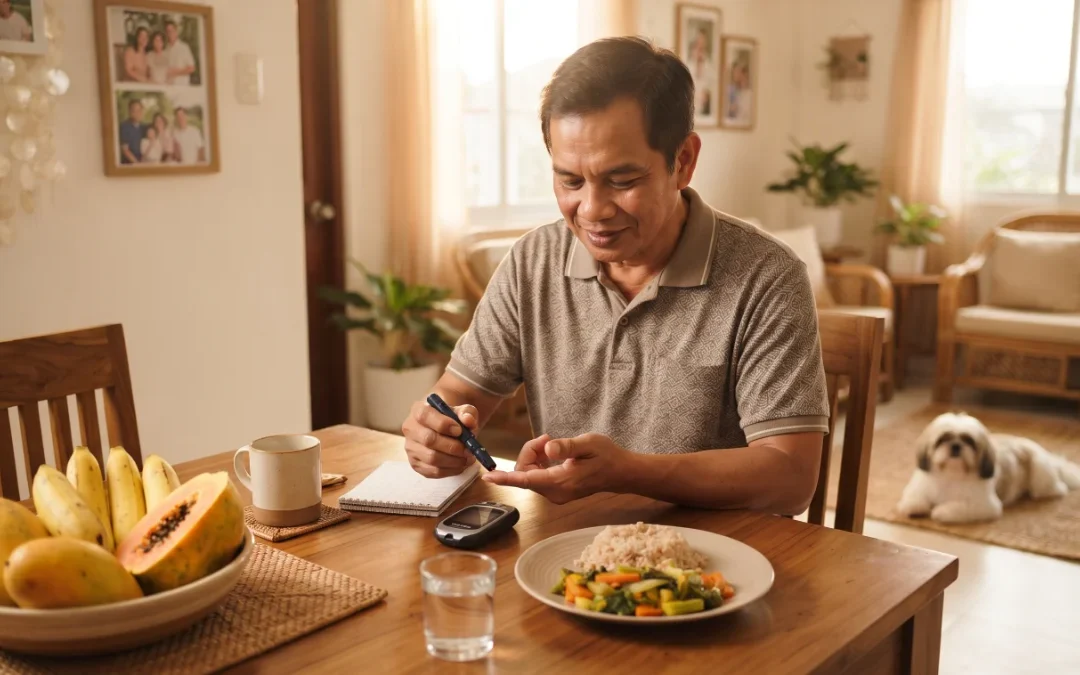
Kamusta, Ka-Optimalliving!
Important disclaimer: This article is for general informational purposes only and is not a substitute for professional medical advice. If you have been diagnosed with diabetes or prediabetes, please consult a licensed healthcare professional before making any significant changes to your diet, exercise, or supplement routine.
Natural blood sugar control is not just a wellness topic I write about — it is something I live with every single day because of where I come from.
Diabetes has run through my family for generations. My late grandparent passed away from it, and my father suffered the same fate. Today, my brother has been fighting diabetes for over ten years.
Looking back, I realized I was heading down that exact same dangerous road because of my own habits and food choices.
Introduction: When “Later” Showed Up at My Door
For a long time, I had a thin frame but a noticeably big belly. That was mostly due to my work setup.
Back in mid-2012, when we closed our computer rental shop, I transitioned to working fully as a work-from-home VA. In our old shop, eating on time was a constant struggle.
But working from home changed everything. Food was suddenly available in the kitchen anytime, and snacks were just a short walk away. Soon, I developed unhealthy routines.
I started eating massive portions of rice for lunch and dinner, often forcing myself to walk afterward just to digest the heavy meals.
I made it a regular habit to enjoy comfort food like goto — loaded with beef intestines, liver, extra fat, and chicharon, cooked into a thick, soft soup — three to four times a week during afternoon meryenda time, every time the street vendor passed by our house. Midnight snacking while working also became normal.
Eventually, all these caught up with me. I became almost obese, noticed dark skin forming on the back of my neck, carried a huge belly, and barely recognized myself.
I kept these habits going until early 2020. Then, a month before the COVID-19 pandemic lockdown started in the Philippines, tragedy struck when my cousin passed away from a stroke.
The news filled me with intense anxiety and overthinking. I convinced myself I was next.
The day before my brother and I were scheduled to visit our cousin, I couldn’t sleep a wink. The next morning, as we rode a van heading to the terminal for a bus trip to Cabanatuan City, Nueva Ecija, things took a terrifying turn.
I felt like my head was going to pop, experienced severe shortness of breath, and felt dizzy. I stepped out of the van just to get some fresh air.
I rushed into a fast-food restroom hoping to vomit and find relief, but only expelled some liquids while my head pounded and my breath raced.
Realizing I couldn’t push through, we decided to head back home so I could rest. My brother continued the trip alone, while I went straight to the hospital for a general check-up.
The doctor’s warning was clear: I needed to change my diet immediately before cholesterol and other complications worsened. And finally, the diagnosis hit me — I was pre-diabetic.
That was my turning point.
I immediately cut down on rice, filled my plate with greens, fish, and chicken, and avoided pork except for occasional, tiny portions.
While a second check-up was made impossible by the sudden COVID-19 lockdown, I stayed disciplined. I stuck to eating lettuce, carrots, and canned tuna every single day, and even bought a glucometer to closely monitor my blood sugar.
Within just three months, the changes were remarkable. I slimmed down, my belly shrank, and I felt much stronger than I ever did when I was carrying extra weight.
Even now, while I occasionally eat meat again, I practice strict portion control, especially with sugar — the very thing that plagued our family for generations.
That is what this article is about. According to the WHO, diabetes is a chronic disease that occurs when the pancreas does not produce enough insulin or when the body cannot effectively use the insulin it produces, and managing it naturally is both possible and evidence-supported. Let’s walk you through the seven strategies that the research confirms actually work — some I have lived through myself, and others I want you to know about because the evidence backs them up.
1. Structured Physical Activity Improves Insulin Sensitivity
The first and most impactful strategy the research points to is simply moving more. Not marathons. Not gym memberships. Just intentional, structured movement every day.
Consistent exercise increases insulin sensitivity, which helps decrease your blood sugar and hemoglobin A1C. During exercise, your muscles use glucose from your blood as fuel — and this happens both in the moment and for several hours afterward. The Cleveland Clinic notes that this is exactly why the American Diabetes Association recommends physical activity five days a week.
The Science: GLUT4 Translocation
The cellular mechanism behind this is genuinely fascinating. Both insulin and exercise increase skeletal muscle glucose uptake by translocation of glucose transporter 4 (GLUT4) from an intracellular location to the plasma membrane. In plain terms — movement physically moves glucose transporters to the surface of your cells, allowing them to absorb blood sugar directly, with or without extra insulin. This is why exercise works even when insulin resistance is already present.
Research confirms that aerobic exercise improves glycemic control, insulin sensitivity, and important metabolic parameters compared with sedentary control groups — and this holds true even for people already living with type 2 diabetes.
Debunking the Myth
You do not need exhausting, intense workouts to see meaningful blood sugar improvement. A brisk 30-minute walk after dinner, a YouTube workout in your sala, or even consistent resistance band training three times a week are all clinically meaningful. The key is consistency, not intensity.
A simple entry point many people start with is a 20-minute walk after the biggest meal of the day. Simple. Free. And backed by real evidence.
2. Weight Management Reduces Insulin Resistance
The second thing worth understanding is the connection between an expanding waistline and rising glucose levels — something I saw play out in my own body, and it is more direct than most people realize.
Excess body weight, especially visceral fat around the abdomen, is directly linked to worsening insulin resistance. Visceral fat — the fat stored around your internal organs — is metabolically active in a harmful way. It releases inflammatory compounds that block the normal function of insulin receptors, making your cells progressively less responsive to insulin signals.
The Science: Visceral Fat and Inflammatory Cytokines
Research shows that enhanced skeletal muscle GLUT4 expression, reduced visceral and ectopic adiposity, and suppression of chronic low-grade inflammation are all key mechanisms through which exercise and weight management improve glucose metabolism. Every kilogram of visceral fat you reduce represents a reduction in the inflammatory signals working against your insulin receptors.
This is not about vanity. This is biochemistry.
Debunking the Myth
Weight management for blood sugar control is not about starvation or aggressive caloric restriction. It is about targeted, sustainable changes that reduce visceral fat specifically. Reducing rice portion sizes, replacing processed snacks with whole foods, and moving more consistently — these are the levers that matter, not crash dieting.
Research shows that even modest, sustainable changes — smaller rice portions, fewer heavy late-night meals, and more consistent movement — are enough to meaningfully reduce visceral fat and improve glucose control. That lines up with my own experience: cutting back on rice and comfort food alone made a visible difference within a few months.
3. Balanced Nutrition Stabilizes Glucose Levels
The third strategy is the one most people overcomplicate — nutrition. And the biggest mistake I see Filipinos make is assuming that managing blood sugar means giving up everything they enjoy eating.
Healthline notes that people with type 2 diabetes benefit from choosing foods high in nutrients and fiber while being mindful of portion sizes — the same diet that supports anyone’s long-term health. This is not a separate, restrictive regime. It is simply a more intentional version of eating well.
The Science: How Dietary Fiber Prevents Spikes
Fiber is one of the most powerful tools for natural blood sugar control, and most Filipinos are chronically under-consuming it. Dietary fiber slows the rate at which glucose is absorbed in the digestive tract — directly flattening the post-meal blood sugar spike that is so damaging over time. Soluble fiber in particular forms a gel-like substance in the gut that delays sugar absorption and improves insulin sensitivity.
Foods like monggo, kangkong, malunggay, camote tops, okra, and brown rice are all excellent, locally available fiber sources that Filipino families already know. We just need to include more of them, more consistently.
Debunking the Myth
Diabetics do not need to completely cut out carbohydrates. They need to choose the right carbohydrates in the right portions. Whole food carbs — sweet potato, brown rice, oats, legumes — behave very differently in your body than refined carbs like white bread, instant noodles, and sugary drinks. Controlling carb type and pairing carbs with fiber, protein, and healthy fat is what stabilizes glucose — not blanket elimination.
4. Stress Reduction Lowers Cortisol and Blood Sugar
This one surprised me when I first encountered the research. It explains something a lot of us go through without realizing it.
Even when your diet stays exactly the same, blood sugar can creep up during the most stressful stretches of work or life. It sounds strange until you learn about cortisol.
The Science: Cortisol and Hepatic Glucose Output
According to NCCIH research on complementary health approaches for diabetes, mind-body interventions have demonstrated effects on metabolic health beyond their psychological benefits. The mechanism is direct — when you are stressed, your body releases cortisol, which signals the liver to release stored glucose into the bloodstream as part of the fight-or-flight response. This glucose release happens regardless of whether you have eaten anything. For someone managing blood sugar, chronic stress is essentially a continuous source of unwanted glucose.
Debunking the Myth
Stress is not just a mental health issue. It is a metabolic one. If you are managing your diet and exercise perfectly but living in a constant state of deadline pressure, financial worry, or unresolved emotional burden — your glucose levels will reflect that stress. Relaxation techniques, prayer, brief nature walks, setting proper work boundaries, and protecting your rest days are not soft lifestyle suggestions. They are clinically relevant metabolic interventions.
Ito ang natutunan ko nung pandemic — puyat plus stress plus bad eating habits is a triple threat to blood sugar that no supplement can fully offset.
5. Adequate Sleep Improves Hormonal Glucose Regulation
Sleep was the habit I most consistently sacrificed during my years of vampire shift work and late-night VA projects. And the blood sugar consequences were real, even if I could not see the connection at the time.
According to the CDC’s chronic disease guidance, poor sleep quality is directly associated with increased risk of type 2 diabetes and worsened metabolic outcomes. The hormonal pathways are well understood — sleep deprivation elevates cortisol, increases ghrelin (the hunger hormone), and decreases leptin (the satiety hormone). The net result is increased appetite, stronger carbohydrate cravings, and worsened insulin resistance — all at the same time.
The Science: Sleep Deprivation and Insulin Resistance
Research consistently shows that even short-term sleep restriction, just a few nights of inadequate sleep, measurably worsens insulin sensitivity in healthy adults. For someone already managing prediabetes or diabetes, chronically poor sleep is not just a quality-of-life issue — it actively undermines every other lifestyle intervention you are implementing.
Debunking the Myth
Sleep is not a luxury or a sign of laziness. It is the biological maintenance window during which your body restores hormonal balance, processes metabolic waste, and resets the insulin response systems that control your glucose the following day. You cannot outrun poor sleep with diet and exercise alone. All three must work together.
Protecting 7 to 8 hours of sleep, even with an irregular schedule, is one of the highest-leverage changes anyone managing blood sugar and energy levels can make.
6. Natural Complementary Approaches (Evidence-Based Only)
This is where I need to be careful and honest with you, Ka-Optimalliving — because the wellness market is full of supplements claiming to “cure” or “reverse” diabetes naturally, and not all of them are safe or proven.
The Science: AMPK Activation and Natural Compounds
Some evidence-based natural compounds — including berberine, cinnamon extract, and chromium — have been studied for their role in influencing AMPK activation, a cellular energy-sensing pathway that helps regulate glucose uptake. Berberine in particular has shown results in clinical studies comparable to some pharmaceutical interventions for blood sugar management. However, dosing, quality, interactions with medications, and individual variability all matter enormously.
Debunking the Myth
Not all natural supplements are safe for diabetics. Some can interact dangerously with metformin or insulin. Others are unregulated, mislabeled, or simply ineffective. The rule I follow personally: research first, discuss with a doctor, then decide. Never self-medicate a serious metabolic condition based on a social media recommendation alone.
If you are looking for a research-backed natural supplement to complement — not replace — a healthy lifestyle, this is the same place I usually point Ka-Optimalliving readers toward Gluco6, a plant-based option built around berberine, cinnamon extract, chromium, and other well-researched ingredients.
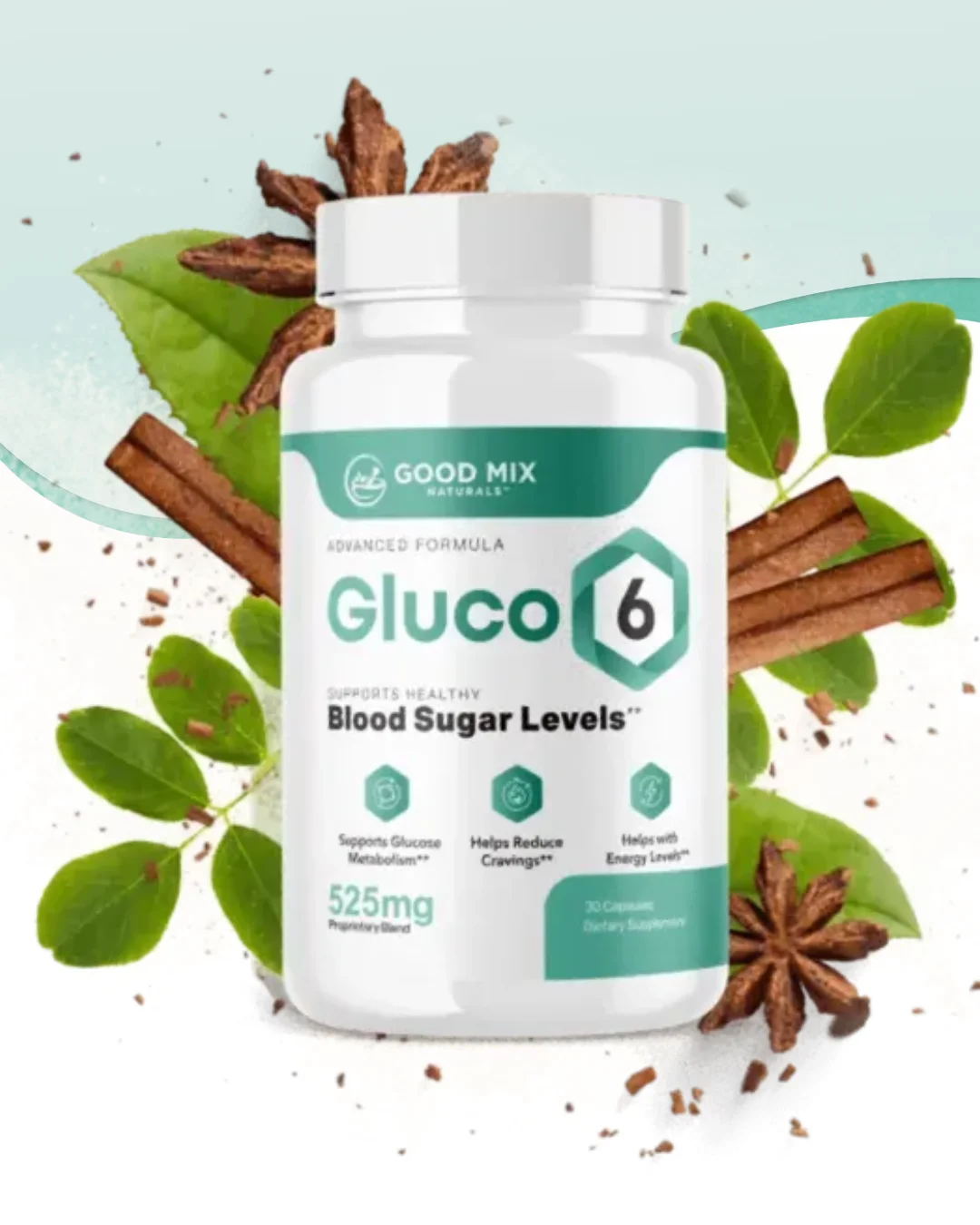
Looking for Natural Blood Sugar Support to Complement Your Monitoring?
Tracking your blood sugar with a reliable glucometer is a great first step — but some readers also ask me what they can do beyond just monitoring. For those outside the Philippines or Filipinos living abroad, one option worth looking into is Gluco6, a natural blood sugar support supplement that has been generating strong interest in 2026.
Gluco6 is a plant-based dietary supplement formulated to support healthy blood sugar levels, improve insulin sensitivity, and promote steady all-day energy. It combines several well-researched natural ingredients:
- Gymnema Sylvestre — traditionally used to help reduce sugar absorption in the intestines and support healthy insulin production
- Cinnamon Extract — widely studied for supporting insulin sensitivity and moderating post-meal glucose spikes
- Berberine — a plant compound that has been shown in studies to help improve insulin sensitivity and glucose metabolism
- Chromium — an essential mineral involved in carbohydrate metabolism
- Alpha-Lipoic Acid — an antioxidant that helps protect cells from oxidative stress while supporting healthy metabolism
Gluco6 is manufactured in the USA in an FDA-registered and GMP-certified facility, made with 100% natural, non-GMO ingredients, and comes with a 60-day money-back guarantee.
Shipping note for Ka-Optimalliving readers: Gluco6 ships primarily to the USA and Canada with 5-7 business day delivery. International orders including the Philippines typically take 8-15 business days plus customs clearance, and international shipping fees may apply. Check the official site for your country’s shipping availability and current fees before ordering.
Medical reminder: If you are currently taking medication for diabetes or prediabetes — including metformin or insulin — please consult your doctor before starting any new supplement. Gluco6 is a dietary supplement, not a replacement for prescribed medical treatment.
👉 Check Gluco6 availability and current pricing on the official site
This is an affiliate link. If you purchase through this link, I may earn a small commission at no extra cost to you. I only recommend products I have researched and believe may genuinely benefit my readers.
7. Consistent Monitoring and Early Lifestyle Intervention
The seventh strategy — and arguably the one that ties the other six together — is consistent monitoring.
The CDC’s diabetes prevention program emphasizes that early lifestyle interventions are most effective when combined with consistent self-monitoring, allowing people to catch patterns before complications develop. Without tracking, you are managing blindly. With tracking, every meal, every walk, every night of poor sleep becomes data you can actually use.
The Science: Preventing Prediabetes Progression
The progression from prediabetes to full type 2 diabetes is not inevitable. Research consistently shows that lifestyle interventions initiated during the prediabetes stage can reduce the risk of progression by 58 percent in people at high risk — and even higher in adults over 60. But the window matters. Early and consistent tracking is what identifies the patterns before they become complications.
Debunking the Myth
Blood sugar monitoring is not only for people with advanced diabetes or those on insulin. For anyone with a family history of diabetes, anyone carrying excess abdominal weight, and anyone experiencing unexplained fatigue or frequent hunger — regular self-monitoring is a preventive tool, not a crisis response.
For me, owning a glucometer and checking my readings before and after meals was what made my prediabetes real enough to take seriously. It turned an abstract family history into personal, actionable numbers on a screen.
👉 I have both the Sinocare Glucometer and the One Touch Glucometer on my Recommended Wellness Finds page if you want to check reliable, affordable options available on Lazada PH.
Frequently Asked Questions about Natural Blood Sugar Control
Q1: What are the fastest ways to lower blood sugar naturally? Physical activity is one of the fastest natural methods — even a 20 to 30 minute brisk walk after a meal measurably reduces post-meal glucose spikes. Staying hydrated and reducing refined carbohydrates in your current meal also help. These are short-term tools. Long-term natural blood sugar control requires all seven strategies working together consistently.
Q2: Can you reverse prediabetes with diet alone? Diet is a powerful lever, but research shows that combining dietary changes with regular physical activity is significantly more effective than diet alone. The landmark CDC Diabetes Prevention Program demonstrated a 58 percent reduction in diabetes risk through combined lifestyle changes — not diet alone. Food first, movement second, monitor always.
Q3: How does physical activity impact daily glucose levels? Exercise stimulates GLUT4 translocation — the movement of glucose transporters to the cell surface — which allows your muscles to absorb circulating blood sugar directly, reducing levels both during exercise and for several hours afterward. Consistent exercise over weeks also improves baseline insulin sensitivity, meaning your body needs less insulin to manage the same amount of glucose.
Q4: Are there certain foods that actively help manage diabetes? Yes. Fiber-rich foods like kangkong, malunggay, monggo, okra, camote tops, and whole grains directly slow glucose absorption. Protein and healthy fats paired with carbohydrates reduce post-meal spikes. Cinnamon, bitter melon (ampalaya), and certain legumes have also shown modest evidence for glucose support. None of these replace medication for diagnosed diabetics, but all are useful complements to a managed lifestyle.
Q5: Why is consistency more important than restrictive dieting? Extreme restriction typically fails because it is unsustainable — people rebound, often eating more of the restricted foods after deprivation. Consistency with moderate, manageable changes produces steady, compounding improvements in insulin sensitivity over weeks and months. A Filipino who eats slightly less rice every day, walks 30 minutes five days a week, and sleeps 7 hours consistently will outperform someone who does a 30-day extreme diet then returns to old habits every single time.
Conclusion: Small Steps, Real Results
Natural blood sugar control changed my life — not through a dramatic overhaul, but through small, consistent, evidence-based shifts that I could actually sustain alongside real Filipino family life.
Diabetes does not have to be your destiny just because it runs in your family. It does not have to mean giving up rice entirely, spending thousands on supplements, or living in fear of every meal. It means understanding how your body works and giving it the conditions it needs to function properly.
The seven strategies in this article — structured movement, weight management, balanced nutrition, stress reduction, quality sleep, evidence-based natural support, and consistent monitoring — are not secrets. They are supported by WHO, CDC, Cleveland Clinic, NCCIH, and decades of clinical research. What they require is not perfection. They require commitment.
Kung kaya ko ito pagkatapos ng 15 years ng vampire shift, toxic work habits, at goto-tuwing-meryenda hanggang hatinggabing snacking lifestyle, kaya ninyo rin ito, Ka-Optimalliving. 💪
Natural blood sugar control starts with one decision today — not a perfect lifestyle overhaul tomorrow.
Important: I am sharing my journey and research, but I am not a doctor. Please read our full [Disclaimer] before making changes to your health routine.
For blood sugar monitoring tools I personally recommend, check my Recommended Wellness Finds page — featuring the Sinocare and One Touch Glucometers, available on Lazada PH.
References
- Type 2 Diabetes: Symptoms, Treatments, Causes, and More – Healthline: https://www.healthline.com/health/type-2-diabetes
- Blood Sugar Control and Exercising After Meals – Cleveland Clinic: https://health.clevelandclinic.org/exercise-and-your-glucose-levels-does-timing-make-a-difference
- The Essential Role of Exercise in the Management of Type 2 Diabetes – Cleveland Clinic Journal of Medicine: https://www.ccjm.org/content/84/7_suppl_1/S15
- Diabetes Prevention – CDC: https://www.cdc.gov/diabetes/prevention/index.html
- Diabetes and Complementary Health Approaches – NCCIH: https://www.nccih.nih.gov/health/diabetes-and-complementary-health-approaches
- Diabetes – WHO: https://www.who.int/health-topics/diabetes
- Exercise and Type 2 Diabetes: Molecular Mechanisms Regulating Glucose Uptake in Skeletal Muscle – PMC: https://pmc.ncbi.nlm.nih.gov/articles/PMC4315445/
- Update on the Effects of Physical Activity on Insulin Sensitivity in Humans – PMC: https://pmc.ncbi.nlm.nih.gov/articles/PMC5569266/
The Optimal Setup: Gear for Peak Performance
I’m always searching for practical wellness tools for our community. I’ve recently partnered with Kwikcare to bring you special access to their products. While I’m just beginning to explore their range myself, you can check them out here and use my referral code: ftisagun to support the blog!

Medical Disclaimer
“I am a student of wellness by passion—but I am not a doctor, nutritionist, or licensed medical professional

About Thom Sagun
“I’m a Freelance VA, Computer Technician, father, and fur-parent. After 15 years of navigating the ‘Vampire Shift’ for global clients on different platforms where I get jobs to support my family, I founded Optimal Living PH. My mission is to document the journey of reclaiming my health while working on my own terms practically and to share it with everyone. I’m a researcher and wellness student, passionate about helping fellow independent workers find a better rhythm. Let’s fix the room, fix the rhythm, and build a better life together—it’s never too late to start, Ka-Optimalliving!”